Custom Rigid Boxes with Inserts Cut Around Your Products
Priced per orderQuoted in writing to your size
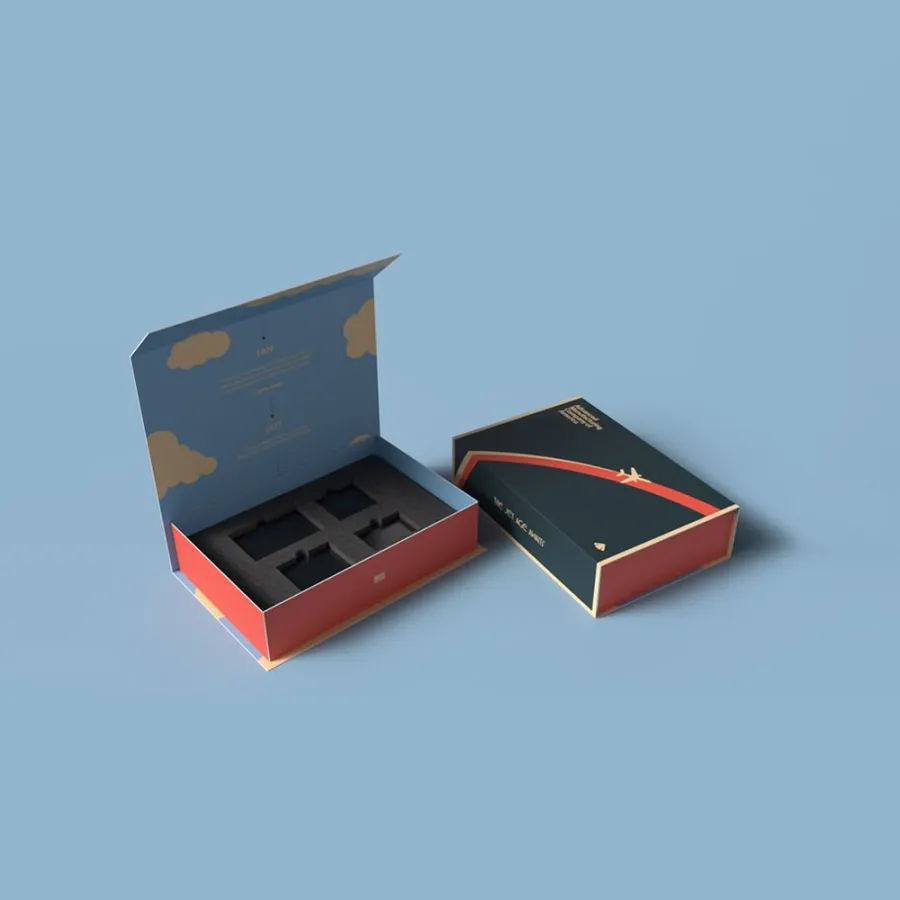
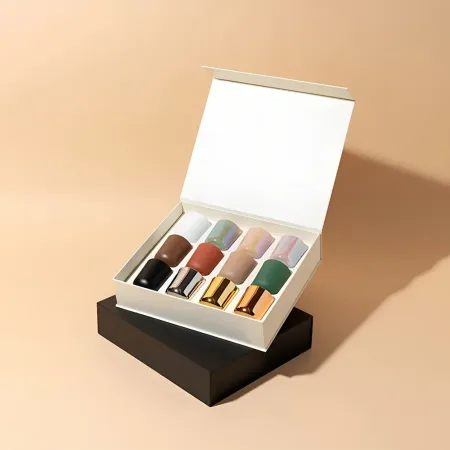
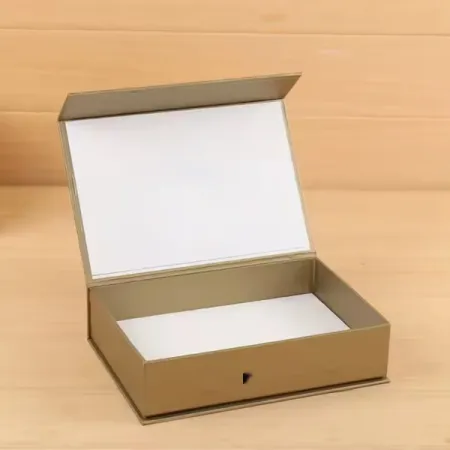
A hinged lid rigid box with an insert cut to hold each item in its own cavity, so nothing rattles or shifts. Our photos show a foam insert with four square wells, a white tray holding eight small jars in two rows, and a plain box ready for its insert.
- Construction
- Hinged lid
- Board
- Wrapped greyboard
- Best for
- Sets of bottles, jars, gift kits and samples
- Delivery
- Free and tracked, UK only
Each box and insert is quoted in writing to your layout, board, wrap and finish.
What are rigid boxes with inserts?
Rigid boxes with inserts are hinged lid boxes fitted with a card, foam or satin-lined insert that has a cavity for each product. The insert is cut from your item sizes in millimetres. It holds every piece in place and shows the set in a fixed, tidy layout.
The lid is joined at the back and lifts like a case. Feels like a keepsake case rather than a carton.
Common insert layouts
| Set | Typical box inside size |
|---|---|
| Four 30 ml bottles in a row | about 180 x 60 x 110 mm |
| Four square jars in a 2 x 2 grid | about 150 x 150 x 60 mm |
| Eight small jars in two rows | about 220 x 110 x 70 mm |
| Pen, card holder and keyring set | about 200 x 150 x 40 mm |
Rigid Boxes with Inserts specifications
| Box | Rigid Boxes with Inserts |
|---|---|
| Range | Rigid Box Styles |
| Construction | Rigid base and lid joined by a wrapped hinge |
| Closure | Lid rests closed; a magnet or ribbon stay is optional |
| Ships | Fully made up |
| Insert | Card, foam or satin-lined, cut with one cavity per item |
| Cavity depth | Usually half to two thirds of the item's height |
| Board | Greyboard core, thickness options on request |
| Wrap | Printed or plain paper wrap; textured and linen-look papers on request |
| Printing | Full colour or spot colours on the wrap, inside print on request |
|---|---|
| Finishes | Soft touch, matt or gloss lamination, foil, emboss, deboss or spot UV, as options |
| Inserts | Card, foam or satin inserts made to your product, on request |
| Size | Made to your measurements, worked in millimetres |
| Quantity | Quoted per order |
| Proof | Free design proof before anything is made |
| Production | 4–6 business days after proof approval |
| Delivery | Free tracked UK delivery in 2–3 business days |
| Problems | Misprints or damage reported within 10 days with photos are reprinted or refunded |
How rigid boxes with inserts are put together
The lid is joined at the back and lifts like a case. Each one is built from five parts:
- Hinged lid
- Printed wrap
- Greyboard walls
- Insert or cavity
- Hinge along the back
What are rigid boxes with inserts?
The box is a wrapped greyboard case with its lid joined along the back. Inside sits a separate insert with a pocket cut for each item.
The insert does two jobs. It stops pieces knocking together in the post, and it presents the set in the exact layout you planned. Lift the lid and every item is facing the right way.
Sets are where this pays off. Loose pieces in tissue look like a bundle, while the same pieces in fitted wells look like a planned product.
Why a hinged lid suits a fitted insert
A hinged lid opens from the front and stays attached, so the whole insert is on show at once. Nobody has to find somewhere to put a loose lid down.
It also keeps the set together. The lid closes over the insert like a case and rests shut, with a magnet or ribbon stay as an option.
For the box on its own, see our hinged lid rigid boxes page.
The open lid also gives you a second display face. It stands behind the insert like a backdrop, which is where a printed message reads best.
Who orders boxes with inserts?
Our second photo shows a typical case: eight small jars in two rows of four, each in its own well, with the lid open behind them.
- Skincare and fragrance brands boxing a set of bottles or jars
- Candle makers sending a sample trio or a full collection of votives
- Corporate gifting teams packing a pen, notebook and keyring together
- Tea and spice sellers fitting tins side by side in one gift
- PR agencies sending launch kits where every piece has its place
Card, foam or satin: which insert should you choose?
A full comparison sits in our guide to card, foam and satin box inserts.
| Insert | How it holds | Suits | Look |
|---|---|---|---|
| Card | Die-cut slots and platforms | Boxed items, tins, flat pieces | Clean, can be printed |
| Foam | Pockets cut into a solid block | Glass, bottles, anything fragile | Dark and dense, like our first photo |
| Satin-lined | Soft padded cavities | Jewellery, keepsakes, small gifts | Soft sheen, traditional |
How do you plan an insert layout?
We do not guess sizes from a product name. Two 50 ml bottles from different suppliers can differ by several millimetres, so measure the real thing or send a sample.
Symmetry helps. An even grid or a single row reads as a planned set, while a mixed layout can look as if spare space was filled.
- Line the items up on a table the way you want them seen.
- Measure each item's width, depth and height in millimetres.
- Leave at least 8 to 10 mm of insert between cavities and round the edge.
- Decide whether each item lies flat or stands up.
- Add a finger notch or ribbon lift wherever an item will be hard to grip.
- Send the measurements and a photo, and we draw the layout on your proof.
How deep should each cavity be?
Most cavities hold the item at half to two thirds of its height. Deep enough to stop it tipping, shallow enough to lift out with two fingers.
Short or slippery items need a finger notch cut beside the well, or a ribbon lift under it. Glass bottles usually sit lying down in foam, which spreads the load in the post.
Box depth follows from the cavity: the insert base, plus the tallest item, plus 3 to 5 mm under the lid. Our page on sizing a rigid box around inserts walks through the sums.
Flat items such as cards or sachets need no cavity at all. A shallow recess, or a slot in the lid lining, holds them without adding depth to the box.
Board, wrap and lining
The case is greyboard with thickness options on request. A set of glass jars is heavy, so a thicker board stops the base bowing when the box is lifted from one end.
Printed or plain paper wrap covers the outside, with textured and linen-look papers as options. Use the inside of the lid for a message, a contents list or a short how-to-use note.
Insert colour matters too. A black foam insert makes metal and glass stand out, while a white or cream card insert suits pale or pastel products.
The insert adds height and weight, so tell us its material before we fix the box depth.
Print and finishes on a box with an insert
Keep the lid top simple when the insert is the star. A foil blocked logo or a blind deboss lets the layout inside do the talking.
Soft touch, matt or gloss lamination, foil, embossing, debossing and spot UV are available as options. A card insert can also be printed, for example with the name of each product beside its well.
Our designers place your artwork for free and show the insert layout on the same proof as the box.
Check that no printed word or logo sits on a cavity edge, where the cut would split it.
Posting a box with an insert
A good insert already does most of the protection. The box still needs a shipper with filler on every side, because the corners take the knocks.
Lay the box flat so items sit in their cavities as designed. A box packed on its end puts the weight on the cavity walls instead of the base.
Sending sets to press or creators? Pack one box first, drop it from waist height in its shipper, and check that nothing has moved.
Mistakes we see with insert orders
If your set is a client or staff gift, our corporate gift boxes for UK teams page covers branding and lists.
- Measuring the product label rather than the widest point of the bottle
- Cavities so deep that short items cannot be lifted out
- No space between wells, so the insert tears when filled
- Changing a supplier's jar after the insert is cut
- Forgetting the lid or pump height on bottles that stand upright
How to order rigid boxes with inserts
Send the item sizes, the layout you want, the insert type and the quantity. A written price comes back for that order.
We then send a free proof of the box and the insert together. Production starts on your approval and runs 4–6 business days. Free tracked UK delivery then adds 2–3 business days.
Start with the rigid box price request form, or send us a sample set by post.
Rigid Boxes with Inserts: questions
Can an insert hold items of different sizes in one box?
Yes. Each cavity is cut to its own item, so a tall bottle, a short jar and a flat card can sit side by side.
Is foam or card better for glass bottles?
Foam usually suits glass better, because it grips the bottle and absorbs knocks. Card works for boxed bottles or tins.
Can the insert be removed from the box?
Yes. Inserts sit loose in the base, so they lift out. That also lets you reuse one box size with a different insert later.
Can a card insert be printed?
Yes. You can print product names beside each well, a pattern, or a solid colour to match the wrap.
How much space should be left between cavities?
At least 8 to 10 mm of insert between wells and round the edge. Less than that and the insert can tear or crush.
Do I need to send samples for an insert?
It is the safest way to get a tight fit. Exact measurements in millimetres also work if you measure the widest point of each item.
Can the insert have a lift-out ribbon?
Yes. A ribbon under a short or slippery item lets the customer pull it out without digging with their fingers.
Can the lid stay shut on a box with an insert?
The hinged lid rests closed on its own. A magnet or ribbon stay is an option if you want it to hold more firmly.
What if my product size changes after ordering?
Tell us before you approve the proof. Once inserts are cut, a different jar or bottle will not fit the cavity.
Can the inside of the lid be printed with instructions?
Yes. Inside print is an option, and the lid is a natural place for a contents list or a welcome note.
Will satin-lined inserts suit a ring and pendant set?
Yes. Satin-lined cavities are a common choice for jewellery sets. A slot holds the ring and a padded well takes the pendant.
Is a magnetic flap available instead of a hinged lid?
Yes. Inserts fit our magnetic closure gift boxes too, which close with a front flap.
Something else? Call +44 7578 382054, message the box team on WhatsApp or email info@shoprigidboxes.co.uk.
Other boxes to compare
Rigid Box Styles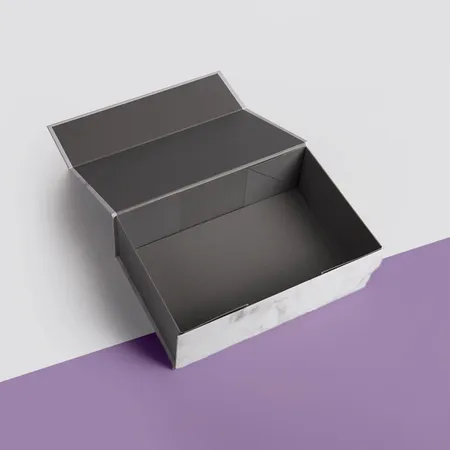 Hinged Lid Rigid BoxesJewellery, watches, pens and awardsHinged lidPriced per order
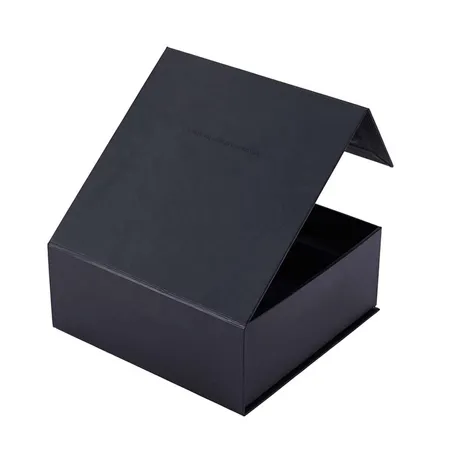 Magnetic Closure BoxesGift sets, fashion pieces and corporate giftsMagnetic closurePriced per order
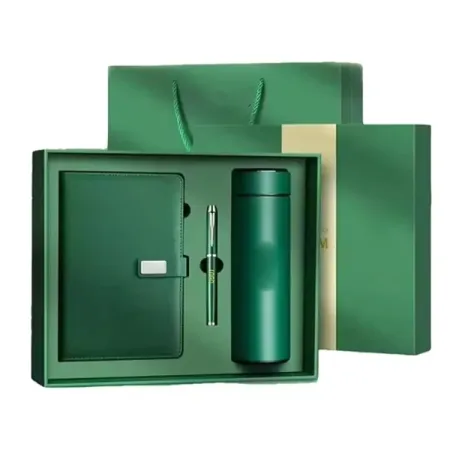 Corporate Gift BoxesWelcome packs, client gifts and long-service setsMagnetic closurePriced per order
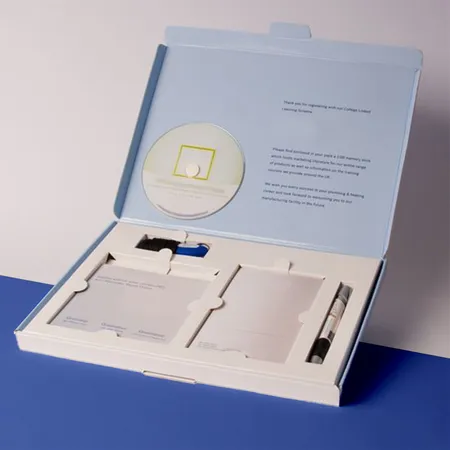 PR BoxesLaunch kits, press drops and creator send-outsBook-stylePriced per order
Design Your Box
Choose a box from the photos, place your logo on it, pick a wrap colour and send it. We turn it into a free design proof.
1. Choose a box
2. Place your logo
Upload a logo to see it on the box
Selected: Rigid Boxes with Inserts
Send us the full brief
The more we know, the closer the first price. Rough numbers are fine; we ask before we guess.
- A written price per box for your quantity
- A free design proof before anything is made
- Made in 4–6 business days after you approve it
- Free tracked delivery to any UK address
Rather talk? Call +44 7578 382054 or message us on WhatsApp.